
Getting Started with CNC Machining
2-11-2025
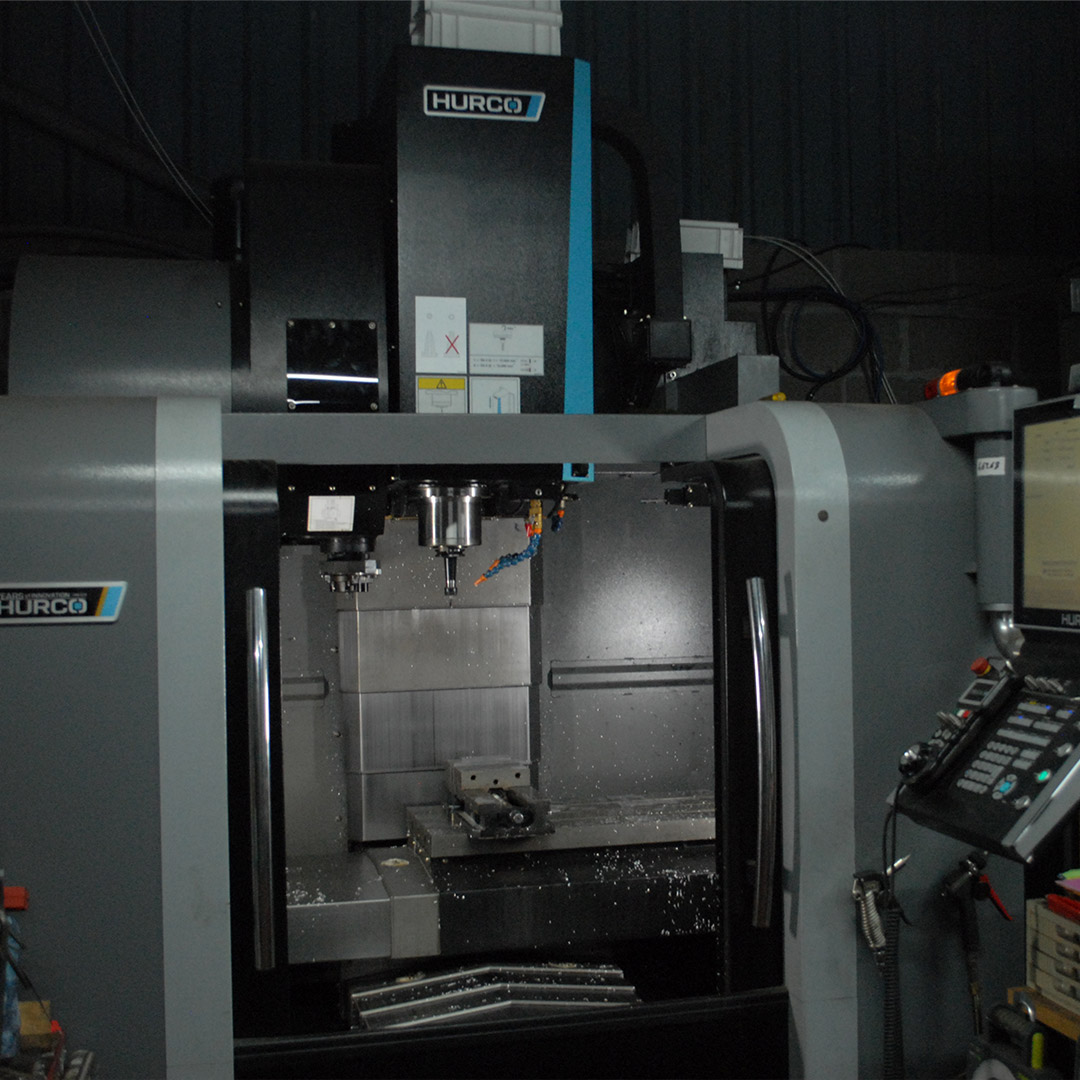
CNC Machining, 3D Printing, and Laser Cutting: What They Are and Why They Matter
Modern manufacturing has evolved far beyond traditional hand tools and manual techniques. Today, whether you’re building a custom product, prototyping a new invention, or creating artwork, digital fabrication technologies make it faster, more precise, and more accessible than ever. Three of the most widely used tools in this space are CNC machining, 3D printing, and laser cutting. Each serves a different purpose, but together they offer powerful ways to turn digital ideas into physical objects.
What Is CNC Machining?
CNC stands for Computer Numerical Control, which means a computer directs the cutting tools. The machine carves or mills your design from a solid block of material—metal, wood, plastic, or composites—with excellent consistency.
How it works
- A design is created using CAD (Computer-Aided Design) software.
- CAM (Computer-Aided Manufacturing) software converts the design into toolpaths.
- The CNC machine follows these paths with cutting tools to shape the material.
What it’s best for
- High-strength, functional parts
- Precision components
- Repeatable production
- Materials not suited for 3D printing
Common applications: engine components, molds, custom brackets, tooling, furniture parts.
What Is 3D Printing?
3D printing—also known as additive manufacturing—builds an object by adding material layer by layer. Unlike CNC machining, which removes material, 3D printing creates parts from the ground up.
How it works
- A 3D model is created in CAD software.
- Slicing software divides the model into layers.
- The printer deposits or solidifies material (plastic, resin, metal, etc.) to form the object.
What it’s best for
- Prototypes and concept models
- Complex geometries
- Low-volume or custom production
- Lightweight or intricate designs
Common applications: prototypes, medical models, custom enclosures, miniatures, artistic pieces.
What Is Laser Cutting?
Laser cutting uses a focused beam of light to cut or engrave materials with impressive accuracy. It is especially effective for flat materials.
How it works
- A 2D design is uploaded to laser software.
- The laser moves along the programmed path, cutting or engraving.
- The result is precise lines, smooth edges, and minimal cleanup.
What it’s best for
- Flat sheet materials (wood, acrylic, cardboard, leather, fabric, thin metals)
- Fast production
- Engraving artwork, logos, and text
- Decorative or intricate patterns
Common applications: signage, jewelry, engraved gifts, templates, architectural models.
How These Technologies Compare
| Technology | Process Type | Strengths | Limitations | |------------------|-----------------------------|----------------------------------------------|---------------------------------------| | CNC Machining | Subtractive (cuts material) | High precision, strong materials, repeatable | More waste, limited by tool shape | | 3D Printing | Additive (builds layers) | Complex shapes, rapid prototyping, customizable | Slower for large parts, may need finishing | | Laser Cutting | Heat-based cutting/engraving | Fast, clean cuts, great for 2D designs | Mostly limited to flat materials |
Why These Technologies Matter
Digital fabrication makes high-quality manufacturing accessible to everyone—from hobbyists to engineers to small businesses. Whether you’re prototyping an invention, creating custom gifts, or producing functional parts, CNC machining, 3D printing, and laser cutting each play a unique and valuable role.
Together, they form the backbone of modern, on-demand, flexible manufacturing, turning ideas into physical objects with speed and precision.